
Chapter Three : The Four Stages of the Magnum Opus
The Magnum Opus, or “Great Work,” is a term used in alchemical philosophy to describe the process of transformation that the alchemist undergoes in their pursuit of the Philosopher’s Stone. The Magnum Opus is often described as a four-stage process, with each stage represented by a specific color. Overall, the four stages of the Magnum Opus represent a transformative journey that the alchemist must undergo in order to achieve spiritual and material perfection. While the specific practices and beliefs of alchemy may no longer be widely accepted or practiced today, the legacy of the Magnum Opus can be seen in the ongoing human quest for personal and collective transformation and evolution.
As previously discussed, I have incorporated brief explanations for the additional processes and have mapped them to each of the four stages within the Magnum Opus.

The first stage of the Magnum Opus is known as Nigredo (Blackness), which represents the process of putrefaction or decomposition. This stage is often associated with the color black, and it is characterized by a sense of darkness, chaos, and dissolution. The alchemist must confront and overcome their own darkness and negative aspects in order to move forward in the process of transformation.
- Calcination: Represents the initial breakdown and purification of the base material.
- Putrefaction: Signifies the stage of decay and decomposition in the alchemical process.

The second stage of the Magnum Opus is known as Albedo (Whiteness), which represents the process of purification and enlightenment. This stage is often associated with the color white, and it is characterized by a sense of clarity, purity, and illumination. The alchemist must refine and purify their consciousness in order to gain a deeper understanding of the universe and the nature of reality.
- Solution (or Dissolution): Symbolizes the dissolution of impurities and the emergence of a cleaner, more refined substance.
- Separation: Involves isolating the different components of the substance, further purifying the material.

The third stage of the Magnum Opus is known as Citrinitas (Yellowness), which represents the process of transformation and growth. This stage is often associated with the color yellow, and it is characterized by a sense of creativity, inspiration, and expansion. The alchemist must integrate their purified consciousness with their material reality in order to bring about the transformation of both themselves and the world around them.
- Conjunction: Represents the union of opposites and the integration of the purified elements.
- Sublimation: Involves the ascent of the spirit to a higher, more refined state.
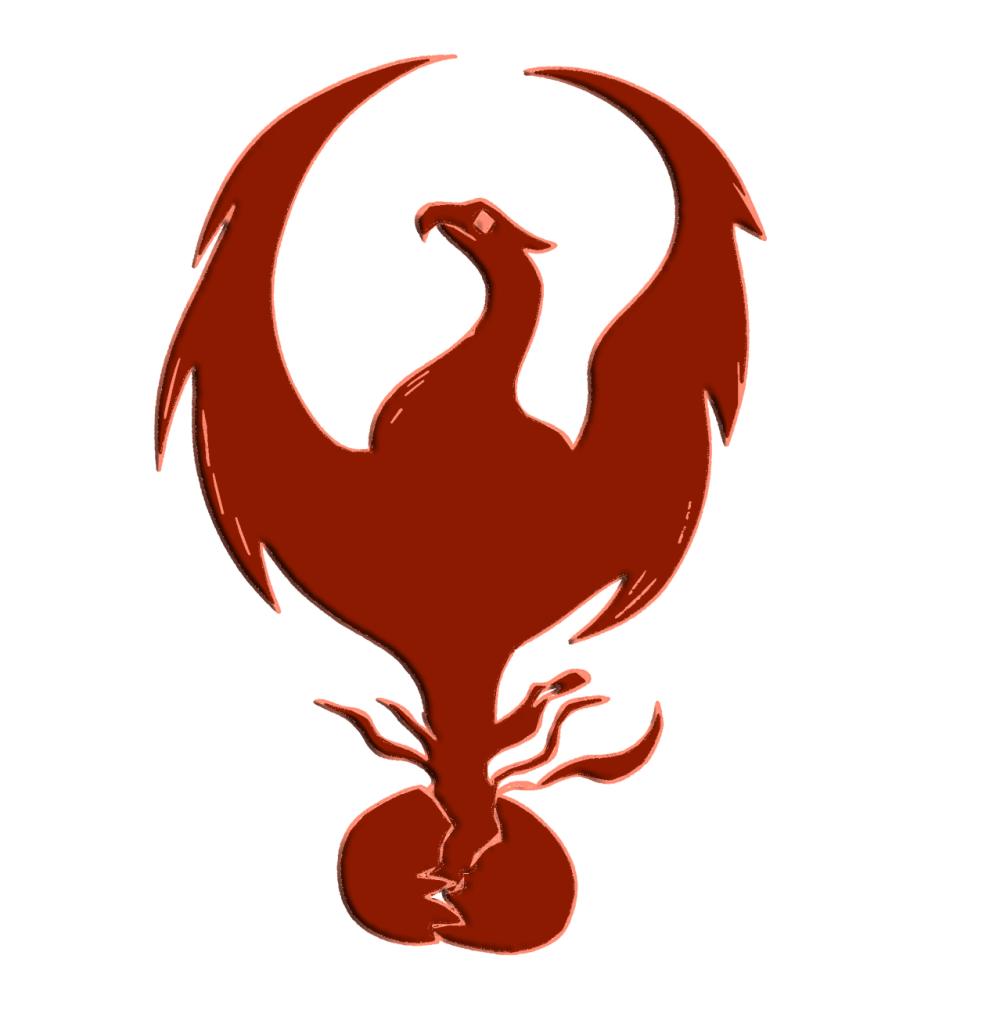
The fourth and final stage of the Magnum Opus is known as Rubedo (Redness), which represents the process of unity and transcendence. This stage is often associated with the color red, and it is characterized by a sense of wholeness, completion, and transcendence. The alchemist must achieve a state of unity and oneness with the universe in order to achieve the ultimate goal of the Philosopher’s Stone.
- Congelation: Signifies the stabilization and fixation of the purified elements.
- Cibation: Represents the continuous input of energy and effort into the transformational process.
- Fermentation: Symbolizes the final stage of transformation, where the transmuted substance is used to bestow healing and transformation.
- Exaltation: Represents the culmination of the Magnum Opus, achieving the substance’s most perfect and elevated state.
- Multiplication: Signifies the enhancement and multiplication of the spiritual essence’s potency.
- Projection: Related to the Rubedo stage, where the transmuted substance is used to bring about the desired transformation or transmutation of other substances or individuals.

Continue to Chapter Four: Lady Alchemia
 The Witch's and Druids Den