
Chapter Two: Alchemy Concepts
Alchemy is a complex philosophical system based on a set of critical concepts. These concepts provide the framework for alchemists to understand the universe and its materials.
Prima Materia
Prima Materia is the term used to describe the original raw material that exists before it is transformed through alchemical processes. It is often referred to as chaos or the void. Alchemy aims to transform this raw material into something pure and divine, such as the philosopher’s stone. It is the starting material that alchemists work with. It is believed to be a substance that contains all the elements and potential for transformation.
Tria Prima
The tria prima is another fundamental concept of alchemy, representing the three basic principles that make up all matter. These are sulfur, mercury, and salt. These principles were also believed to exist within the human body and were thought to be essential for spiritual transformation.
The three elements work together to create a balance within the alchemical process.

Sulfur represents the soul
Sulfur is associated with the principle of volatility and is often depicted as representing the soul or the spiritual aspect of a substance. It symbolizes the active, masculine, and fiery qualities in alchemy.

Mercury represents the spirit
Mercury is the principle of fluidity, mutability, and receptivity. It is often associated with the mind or the intellect in alchemical symbolism. Mercury is considered a bridge between the spiritual and the material realms.
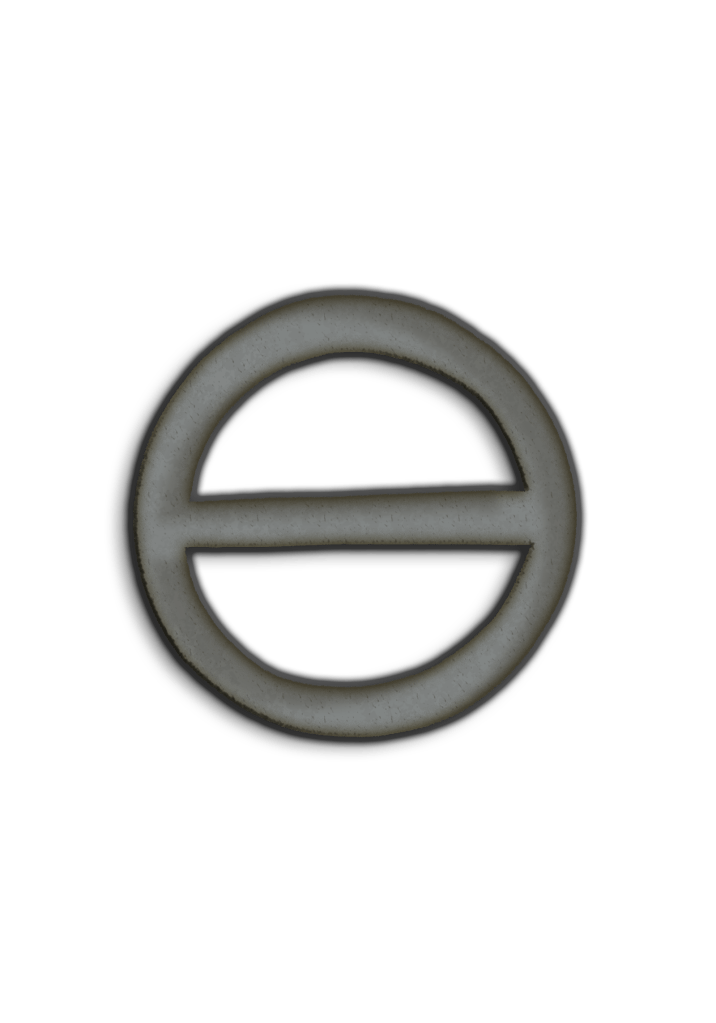
Salt represents the body.
Salt is linked to the principle of stability and represents the body or the physical aspect of a substance. It symbolizes the passive, feminine, and solid qualities in alchemy.
Anima Mundi
The anima mundi, or the soul of the world, is another critical concept in alchemy. It is the belief that there is a spiritual force that connects all living things and that this force can be harnessed to achieve spiritual transformation. Anima Mundi is the term used to describe the concept of a universal soul or a cosmic consciousness. It is the idea that all things in the universe are interconnected and have a collective soul or spirit. In alchemy, the goal is to connect with the Anima Mundi and to tap into its power to achieve transformation.
Magnum Opus
The magnum opus, or the great work, is the ultimate goal of alchemy. It represents the process of transformation that alchemists undergo in order to achieve enlightenment and the Philosopher’s Stone. Originally it had for stages Nigredo, Albedo, Citrinitas, and Rubedo which we will talk a lot about as this is what I use as it as much symbology with the work here. Additionally in time the four stages got expanded on, truly each of the process below can be incorporated in the four stages for each process. The Four stages of the Magnum Opus are vessels for the processes below.
These are some terms that are found with in the Magnum Opus
Calcination is the process in alchemy that involves heating a substance to a high temperature in order to reduce it to ashes. This is seen as a symbolic purification, where the impurities and base elements are burnt away, leaving behind the essence or spiritual components of the substance. It is a critical step in the alchemical quest to transform base materials into their higher, more refined forms.
Solution, or dissolution, refers to the breaking down of a substance into its constituent parts, often through the use of a solvent. Alchemists believed this process was necessary to release and purify the hidden properties or essences within a substance, ultimately leading to its transformation.
Separation is the process of isolating and distinguishing different components of a mixture. In alchemy, this step was crucial in the quest to extract the pure and essential elements from a substance while discarding the impurities.
Conjunction is the stage in alchemy where two or more elements or substances are combined to create a new, integrated, and harmonious whole. This process represents the union of opposites and is a significant symbolic step towards spiritual enlightenment and transformation.
Putrefaction signifies the stage of decay and decomposition in alchemical processes. It is a necessary step in the transformation of substances, where the old or impure aspects break down and are prepared for rebirth into a higher form.
Congelation is the opposite of putrefaction. It is the process of solidification or crystallization of a substance. This stage marks the stabilization and fixation of the purified elements, ensuring that they maintain their newly acquired form.
Cibation is the process of nourishing or feeding the alchemical work. It signifies the continuous input of energy, knowledge, and effort into the transformational process, allowing it to progress and reach its intended goal.
Sublimation is the transformation of a substance from a solid directly into a vapor or gas without passing through a liquid phase. In alchemy, it symbolizes the ascent of the spirit or essence to a higher, more refined state.
Fermentation involves the action of a ferment or catalyst to induce a chemical change in a substance. In alchemy, this process was believed to facilitate the transmutation of elements, aiding in their spiritual growth and transformation.
Exaltation is the elevation or refinement of a substance to its highest and most perfect state. It represents the culmination of the alchemical process, where the philosopher’s stone, or the ultimate goal of alchemy, is believed to be achieved.
Multiplication is the process by which the alchemist seeks to increase the potency or quantity of a substance, often represented as the multiplication of the philosopher’s stone or elixir of life.
Projection is the final step in alchemy, where the alchemist uses the transformed substance to transmute base metals into noble metals or to bestow healing and transformation upon individuals. It is the culmination of the alchemical work and the realization of its ultimate purpose.
Philosopher’s Stone
The Philosopher’s Stone is the most famous concept of alchemy. It is believed to be a substance that can transform base metals into gold and grant eternal life. The Philosopher’s Stone is also seen as a symbol of spiritual enlightenment and transformation.
The Seven Metals
One of the most important aspects of alchemy is the use of metals. Metals are believed to contain unique spiritual properties that can be harnessed for personal growth and transformation. Alchemists classified metals into seven main categories, each with its own distinct properties and associations. The seven metals of alchemy represent the seven stages of spiritual transformation that the alchemist must undergo to achieve enlightenment. Each metal is also associated with a particular planet and has its own unique properties and symbolism.

Lead (Saturn) the first metal of alchemy represents the starting point of the alchemical process, where the matter is broken down and purified. Transformation, change, and renewal.

Tin (Jupiter) the second metal represents the beginning of the spiritual journey, where the alchemist begins to develop a deeper understanding of themselves and their place in the world. Expansion, abundance, and growth.

Iron (Mars) the third metal represents the conflict and struggles that the alchemist must face in order to achieve enlightenment.
Strength, courage, and determination.

Copper (Venus) the fourth metal represents the development of intuition and emotional intelligence, allowing the alchemist to access higher levels of spiritual understanding. Connect with others and foster strong relationships.
Mercury the fifth metal represents the merging of opposites, where the alchemist begins to understand the interconnectedness of all things. Associated with the God Mercury. Communication, intelligence, and adaptability.

Silver (Luna) the sixth metal represents the attainment of spiritual purity and the ability to access higher realms of consciousness. Intuition, creativity, and emotional balance.

Gold (Sol) the seventh and final metal represents the attainment of spiritual perfection and the transmutation of base materials into their highest spiritual form. Wisdom, enlightenment, and spiritual purity.
Planetary Influences
Planetary influences were also believed to play a crucial role in alchemy. Each planet was associated with a particular metal and had its own unique energy and symbolism. The study of planetary influences was essential for understanding the nature of the universe and the materials within it. The use of celestial bodies in alchemical symbolism is meant to provide a visual language for understanding the complex processes of transformation and growth that are central to alchemical philosophy.
The Moon is often associated with the feminine, emotional, and intuitive aspects of the psyche. The moon is used to represent the reflective, passive, and receptive aspects of the alchemical process, such as contemplation, introspection, and purification. The moon is also associated with the element of water, which is considered to be a purifying and transformative force.
The Sun is often associated with the masculine, rational, and active aspects of the psyche. The sun is used to represent the active, creative, and transformative aspects of the alchemical process, such as inspiration, illumination, and transmutation. The sun is also associated with the element of fire, which is considered to be a transformative and purifying force.
The Stars are often associated with the mystical and spiritual aspects of the psyche. The stars are used to represent the transcendent and divine aspects of the alchemical process, such as enlightenment, transcendence, and unity. The stars are also associated with the element of air, which is considered to be a symbol of spiritual transcendence and enlightenment.
Elements in Alchemy
The four basic elements (earth, air, fire, and water are a fundamental concept in many ancient and traditional philosophies, including alchemy. These elements are considered to be the building blocks of the physical universe, and each is associated with specific qualities and characteristics. These four elements are seen as representing the various energies and forces that exist in the universe, as well as the different stages of the alchemical process. By understanding the symbolic meanings of these elements, alchemists were able to use them as tools for spiritual transformation and self-discovery.

Earth represents stability, grounding, and materiality. It is associated with the physical body, as well as with practicality, reliability, and the material world.

Water represents fluidity, intuition, and emotion. It is associated with the unconscious mind, as well as with the feminine, creative, and receptive aspects of nature.

Air represents intellect, communication, and higher consciousness. It is associated with the mind, as well as with freedom, movement, and the breath of life.

Fire represents transformation, passion, and spiritual energy. It is associated with the will, as well as with creativity, inspiration, and the light of consciousness.

Quintessence the fifth element, beyond the traditional four elements of earth, air, fire, and water, that was believed to represent the spiritual essence of matter.
Animals in Alchemy
Animals also play a significant role in alchemy, with each animal representing different stages, aspects, or forces within the alchemical process. These animals were often used as symbols in alchemical illustrations. By using these powerful symbols, alchemists were able to convey complex spiritual and philosophical concepts in a way that was accessible and meaningful to a wider audience. The alchemical journey was a process of self-discovery, where the alchemist explored their inner world and the polarities that exist within it. The Ouroboros, or the snake holding its tail, was a symbol used to represent duality and the cycle of transformation. The alchemist was like the snake, constantly shifting between polarities in the soul, from joy to despair, from positivity to negativity, from light to dark, and from energy to inertia.
For example, the dragon represented the beginning of the work, and the snake represented the union of polarities. The alchemists created mandala-like pictures that combined images of the animal archetypes with the detailed processes of change that they observed in their experiments. These pictures served as the basis for their meditations and helped them to understand the various stages of their inner transformation. The symbolism of animals in alchemy can be complex, multifaceted, overlap and can vary depending on the specific tradition or culture in which it is being used.
The Lion is a powerful symbol of strength, courage, and royalty. The Lion represents the prima materia or the raw material that is used in the alchemical process. This raw material is often described as a ferocious beast that must be tamed in order to unlock its true potential. The process of taming the Lion is known as the Nigredo or blackening phase. This is the first stage of the alchemical process, where the prima materia is subjected to intense heat or putrefaction to break it down into its basic components. The Lion is also associated with the element of fire, which is essential in transforming the raw material into something more refined.
- The Green Lion is a symbol representing the stage of dissolution, where the material is broken down and dissolved in a liquid. It is often associated with vitriol, a type of sulphuric acid used to dissolve metals and other materials. This process is necessary to purify and refine the material, breaking it down to its essential components. The Green Lion can also represent the raw, vital energy of nature, the force that drives growth and transformation. The Gryphon, a hybrid being of half-lion and half-eagle, is sometimes associated with the Green Lion, marking the spiritualization of the material and the ascent of the purified essence towards the divine.
The Eagle is a symbol of spiritual transcendence and enlightenment, often associated with the element of air. The eagle is used to represent the purified, refined state of the alchemist’s consciousness as they progress through the stages of the Magnum Opus.
The Snake is a symbol of wisdom and regeneration in alchemy. It represents the shedding of the old self and the birth of a new self. The process of shedding the old self is known as the Putrefactio or putrefaction phase, where the old self is broken down and digested to make way for the new self. The Serpent is also associated with the element of water, which represents the transformative and regenerative aspects of the alchemical process.
The Fish is a symbol of fertility and abundance, often associated with the element of water. The fish is used to represent the potential for growth and expansion that is inherent in the alchemical process. The process of dissolution, which involves breaking down a substance into its constituent parts, is associated with the fish. This process allows the alchemist to gain insight into the nature of the substance and access hidden knowledge. The Green Lion, is sometimes depicted as a fish with a serpent’s tail. This image represents the union of the Water and Fire elements and the balance between the conscious and unconscious aspects of the psyche.
The Phoenix is a mythical bird that is associated with resurrection and rebirth often said to rise from the ashes of its own destruction, becoming reborn in a new and more powerful form. , often associated with the element of fire. The phoenix is used to represent the final stage of the Magnum Opus, where the alchemist achieves spiritual and material perfection and is reborn into a new state of being, which represents the final stage of the alchemical process where the Philosopher’s Stone is achieved a process known as the rubedo or reddening. It represents the transformative fire that purifies and cleanses the soul, associated with passion, creativity, and spiritual illumination.
The Raven is often associated with the nigredo stage, which represents the initial stages of the alchemical process where the matter is broken down and purified. The Raven represents the process of breaking down old structures and beliefs to create new beginnings. The Raven is a potent symbol in alchemy, representing the first stage of the alchemical process – the Blackening. This stage is marked by the calcination or putrefaction of the prima materia, which turns black and begins to break down. With calcination, as on vigorous heating, the calcined material usually carbonizes and flakes off, resembling the wings of a Raven/Crow. The blackness of the Raven symbolizes the darkness and potentiality of the unconscious mind, from which the alchemist seeks to draw forth the hidden potential of the material. The process of Blackening marked the beginning of the alchemical work, and the Raven was often seen as a guide through this dark stage. The Raven is a good omen in the alchemical process, as it represents the necessary destruction of the old and familiar, making way for the emergence of new possibilities. The Blackening was a time of withdrawal into the darkness of the interior space, where the potential of the prima materia lay hidden. The alchemist had to confront their own darkness and delve deep into their own unconscious mind to find the seeds of transformation. The Blackening phase was followed by the stage of Whitening, where the prima materia began to show signs of purification and refinement. The temporary phase of whitening was symbolized by the white eagle or swan. As the black mass of the calcination was reacted with other substances and heated, it took on a white crust or dusty layer, resembling the wings of an eagle. This stage marked the polar swing out of the blackening, a cathartic moment when the alchemist glimpsed the emergence of a new possibility. The Raven had served its purpose, guiding the alchemist through the darkness of the blackening and into the light of the whitening, where the alchemical process would continue to unfold.
The dove and swan are both associated with the albedo stage, which represents the purification of the matter and the spiritual transformation of the alchemist. The dove represents purity, innocence, and the release of the soul, while the swan represents grace, beauty, and spiritual transcendence. The swan is a symbol of the alchemical process of sublimation, where the base material is purified through the power of the spirit. The swan’s white feathers represent purity and the transcendence of the material world. The swan is also associated with the element of water and the power of intuition. The swan also represents the transformative power of love and the need to connect with the divine. The process of sublimation involves the purification of the soul through spiritual practices. The swan’s graceful appearance and ability to mate for life make it a powerful symbol of the alchemist’s journey towards unity and wholeness.
The Peacock is often associated with the citrinitas stage, which represents the development of the alchemist’s intuition and spiritual insight. The peacock represents the spiritual beauty and pride that comes with this stage, as well as the ability to see beyond the material world and access higher realms of understanding.
The Wolf is a symbol of primal energy and wildness in alchemy. It represents the chaotic and uncontrolled aspects of the prima materia that must be tamed and harnessed in the alchemical process. The process of taming the Wolf is similar to the Nigredo or blackening phase of the Lion, where the raw material is subjected to intense heat or putrefaction to break it down into its basic components. The Wolf is also associated with the element of water, which is necessary for the transformative process to occur.
- The Gray Wolf is a variation of the Wolf symbol in alchemy. It represents the beginning of the purification process, where the chaotic and uncontrolled aspects of the prima materia are tamed and refined. The Gray Wolf is often depicted as a wolf howling at the moon, which symbolizes the transformation of the raw material into a more refined substance. This stage is also known as the Citrinitas or yellowing phase, where the prima materia is transformed into a more refined substance through a process of distillation. The Gray Wolf is associated with the element of earth, which represents the solidification of the transformative process. A symbol of the ferocious and wild aspects of nature. It is often associated with the dark side of the psyche, representing the destructive and aggressive aspects of the human psyche. The gray wolf is also sometimes seen as a symbol of transformation, as it undergoes a metamorphosis during its life cycle, from a cute and cuddly puppy to a powerful and dangerous predator. In alchemical texts, the gray wolf is sometimes associated with the process of putrefaction, which is the breaking down and decomposition of organic matter, representing the dissolution of the ego and the destruction of the old self to make way for the new. Overall, the gray wolf is a powerful symbol of both the destructive and transformative aspects of the alchemical process.
The toad is a symbol of the prima materia, the base material that is the starting point of the alchemical process. It represents the unconscious, chaotic aspect of the psyche that needs to be transformed in order to achieve wholeness. The toad is often depicted in alchemical illustrations as being surrounded by fire, representing the transformative power of the process. The process associated with the toad is calcination, which involves burning a substance to ashes. This process represents the purification of the substance and the burning away of impurities in order to reveal the true essence. The alchemist seeks to transform the prima materia into something of value, just as the toad can be transformed into a prince.
The butterfly represents the process of transformation in alchemy. It symbolizes the soul’s journey towards spiritual enlightenment. This process of transformation involves breaking down the old and creating something new. The caterpillar, which represents the base metal, must be dissolved, destroyed, and then reborn as the butterfly, which represents the spiritual gold. This process is known as the nigredo or blackening. The butterfly also represents the element of air, which is associated with the mind and intellect.
The salamander is an alchemical symbol of transformation, renewal, and purification. It represents the transformative power of fire, which burns away the impurities of the base metals and purifies the soul. The salamander also represents the element of fire, which is associated with passion, creativity, and spiritual illumination. The salamander is often depicted as a small lizard or amphibian that is able to survive and even thrive in the midst of intense heat and flames.
The stag is a powerful symbol of spiritual transcendence and transformation. This represents the process of distillation, where impurities are removed to purify the essence. The stag’s antlers represent the purification process, shedding and regrowing each year. The stag is also associated with the sun and its ability to transmute base metals into gold through the process of calcination. The stag also represents the spiritual journey, where the seeker must overcome their own limitations and ego to reach higher states of consciousness. The stag’s ability to move swiftly and gracefully through the forest symbolizes the need for the seeker to be agile and adaptable to navigate the challenges on their path.
The dragon is a symbol of the alchemical process of dissolution, where the old is destroyed to make way for the new. The dragon’s fiery breath represents the power of transformation, burning away the dross and creating space for new growth. The dragon is also associated with the element of fire and the sun, representing the alchemist’s ability to transmute base metals into gold. The dragon also represents the primal power of the unconscious mind and the journey to face one’s inner demons. This process of dissolution involves confronting the shadow self and embracing the darkness to bring about transformation. The dragon’s fearsome appearance and ability to breathe fire make it a powerful symbol of the inner fire that drives the alchemical process. The Dragon can also represent the process of Alchemy, seen as a symbol of the challenges, obstacles, and chaos that the alchemist encounters during their quest for transformation and enlightenment. The dragon represents the adversities and difficulties that must be overcome in the alchemical journey. The alchemical process is often described metaphorically as a hero’s journey, and the dragon can be seen as a symbolic representation of the trials and tests that the alchemist must face in their quest for spiritual and material transmutation. The dragon’s fiery breath and fierce nature can be interpreted as the intense challenges and inner struggles that the alchemist encounters as they work to purify and transform their own inner self and the substances they are working with.
The bear is a symbol of the alchemical process of fermentation, where the old is broken down to create something new. The bear’s hibernation during the winter represents the process of putrefaction and decay, while its emergence in the spring symbolizes rebirth and regeneration. The bear is also associated with the element of earth and the power of grounding. The bear also represents the power of introspection and the need to go within to find one’s inner strength. This process of fermentation involves the breaking down of old patterns and habits to create something new. The bear’s ability to withdraw into its cave and emerge transformed is a powerful symbol of the alchemist’s journey.
The turtle represents the slow and steady process of transformation. Just as the turtle slowly moves and transforms within its shell, so too does the alchemist slowly work towards transformation of the self and the materials they are working with. The turtle also symbolizes longevity and the ability to endure through difficulties, which are important qualities in the alchemical process. The alchemical process of nigredo, or blackening, is often associated with the turtle. This stage involves breaking down and putrefying the material, which is necessary for transformation. The turtle’s shell, which serves as its protection, can also be seen as a symbol of the prima materia, the raw material of the alchemical process that must be broken down and worked with to achieve transformation.
The bull represents the masculine aspect of the work, as it is a symbol of strength, power, and fertility. The bull’s horns, which are often associated with the crescent moon, can also represent the alchemical vessel and the need for containment and control in the work. The alchemical process of calcination, or burning, is often associated with the bull. This stage involves breaking down and burning away impurities, which is necessary for transformation. The bull’s strength and power can also be seen as a symbol of the alchemist’s willpower and determination in the work.
The spider represents the weaving and interweaving of different materials and energies in the work. Just as the spider weaves its intricate web, so too does the alchemist weave together different aspects of the material to achieve transformation. The spider also symbolizes creativity and the ability to create something new. The alchemical process of dissolution, or breaking down, is often associated with the spider. This stage involves breaking down the material and dissolving it in a solvent, which is necessary for transformation. The spider’s ability to create and spin its web can also be seen as a symbol of the alchemist’s creativity and ability to create something new from the raw materials.
The scorpion is a powerful symbol in alchemy, representing death and transformation. The scorpion’s venom is a potent substance that can bring about both physical and spiritual death, which is why it is often associated with the alchemical process of putrefaction. This process involves breaking down the old and decaying elements of the self in order to create something new and purified. The scorpion’s ability to shed its skin and regenerate is also a powerful symbol of transformation and rebirth. The scorpion is also associated with the astrological sign of Scorpio, which is ruled by the planet Mars. Mars is a planet of energy, passion, and action, and it is often associated with the transformative power of fire.
The rabbit symbolizes fertility, reproduction, and the cyclical nature of life. It is also associated with the moon and the feminine principle. The rabbit is often depicted in alchemical art as a white rabbit, which is believed to represent purity and innocence. The rabbit is sometimes associated with the alchemical process of sublimation, which involves purifying a substance by vaporization and condensation. In this context, the rabbit is seen as a symbol of the volatile, elusive nature of the alchemical prima material. The rabbit’s ability to move quickly and dart in and out of hiding places also symbolizes the alchemist’s need for agility and adaptability in their work. The alchemical process of coagulation, or solidification, is often associated with the rabbit. This stage involves the material coming together and becoming more solid, which is necessary for the work to progress. The rabbit’s tendency to burrow and create tunnels can also be seen as a symbol of the alchemist’s need to delve deep into the work and explore hidden aspects of the material.
The goal of the alchemist was to create the Philosopher’s stone, which represented a solid inner ground upon which they could build their personalities and experience the full potential of being human. The alchemical journey was a complex and transformative process that required patience, dedication, and a deep understanding of the workings of the human soul.

Continue to Chapter Three: The Four Stages of the Magnum Opus
 The Witch's and Druids Den