


The Gauls
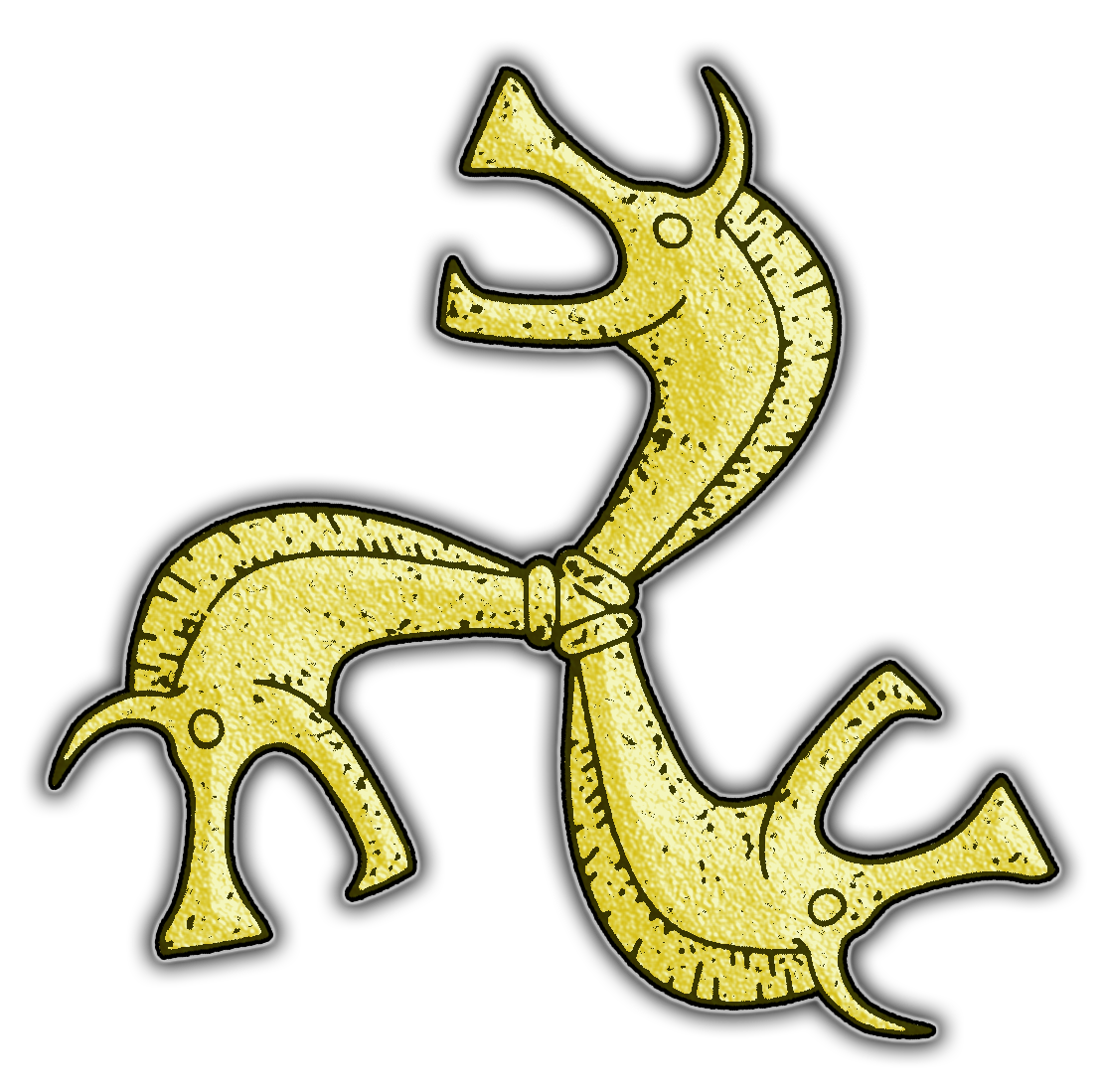
The Gauls were a distinct group characterized by their Gaulish language, which belonged to the Celtic family of languages, and their material culture. They were part of the LaTenê culture during the Iron Age in Western and Central Europe. Instead of having a centralized leadership, they consisted of numerous tribes. While a sense of Gaulish identity emerged, facilitated by trade and infrastructure connections, particularly with the Greeks, Etruscans, and Romans, they never achieved full unity.
Their territories extended across a significant portion of Western and Central Europe, including Northeastern Spain, Turkey, Southern Britain (later on), and Northern Italy. Notably, their lands covered what is now France, Southern and Western Germany, Belgium, Luxembourg, and Switzerland. They remained independent from around the 5th century BCE until their defeat and conquest by the Romans in 52 BCE.
The Gauls possessed diverse customs with intricate practices and a pantheon of gods. They were highly skilled in metalwork and crafts and credited with inventing chainmail, barrels, and animal fat-based soap. Noteworthy was their sack of Rome in 390 BCE, an accomplishment not replicated for approximately 800 years. They were fierce warriors but also open to learning from neighboring cultures, developing philosophy, and adopting technological advancements.
Due to the varying tribes, social structures differed. Typically, a king (known as a Rix) served as the executive leader, advised by elders. The Aedui elected a Vergobret (pronounced with a “w” sound), who was overseen by elders. The prominence of sacral kingship diminished, and hereditary succession was not a common practice. Kings were selected based on their loyal following, and their authority was not absolute. Civic matters could be managed by elders.
Regarding tribes, there often existed a larger tribe that held influence over satellite tribes, which paid tribute to the dominant one. While patriarchal in many aspects, Gaulish society granted women more rights compared to their Classical counterparts. Rulers had to win the favor of the people, organizing grand banquets and feasts to gain support.
Then there were the Druids, a mysterious class of experts in religion, philosophy, and sciences. They were exempt from military service and taxation. Although frequently mentioned, their depictions were not always accurate. The Gauls also had Vates (pronounced with a “w” sound), who were seers proficient in divination and sacrificial rituals. Bards played a vital role in Gaulish society, narrating tales, often in the form of songs or poems, about the gods and the people. They were the custodians of mythology and folklore.
The majority of Gauls, the common people, were primarily engaged in farming (as agriculture was their main occupation), trade, and craftsmanship. Some individuals possessed knowledge of magic and specialized in practices such as herbalism, which the Gauls were renowned for. The society also encompassed various other trades typical of Iron Age civilizations.
Gaulish Paganism
Gaulish Paganism represents a growing movement that draws inspiration from the cultures, customs, and religions of the ancient Gauls. It encompasses various forms of expression, emphasizing culture, ethics, and worship as essential components. While individuals may have different levels of interest in these aspects, they are recognized as interconnected and vital to Gaulish Paganism. Consequently, comprehensive study and understanding of these components are crucial to do Gaulish Paganism today.
The Three Ways of Expression in Gaulish Paganism.
Worship

Worship stands as one prevalent mode of expression within Gaulish Paganism, particularly in the reverence of the Dêuoi. These powerful and sacred beings were worshiped by the ancient Gauls, and engaging in reciprocal acts of gifting fostered relationships with them. The Dêuoi encompass a wide range, governing different aspects of the world and human actions. Examples include Sironâ, Taranis, Rosmertâ, Sucellos, Artiû, Belenos, Eponâ, Lugus, Nantosueltâ, and Carnonos, among many others originating from Gaulish tradition.
Two important points to note are that the Dêuoi are distinct beings, though they may share similarities with deities from other traditions. Additionally, the concept of anatiâ (breath, spirit) permeates all things, including water, stones, trees, animals, and human-made objects. Both polytheism and animism are applicable academic terms, but most Gaulish Pagans view them as unnecessary labels.
Culture
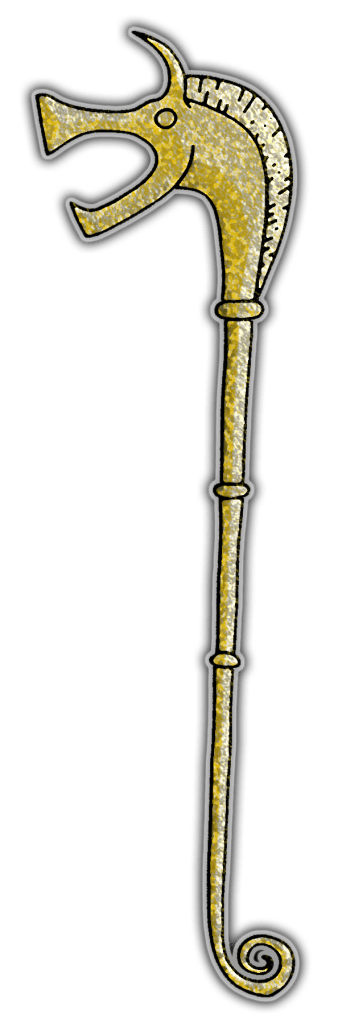
Culture plays a significant role, with an emphasis on using Gaulish terminology when available. Many practitioners also engage with reconstructed dialects of Gaulish, recognizing the language’s role in understanding culture and worldview. Moreover, there is a desire among some Gaulish Pagans to revive aspects of material culture. Some may wear torcoi (torcs) or clothing with recognized Gaulish patterns. Others may write stories based on Gaulish understanding or explore arts and crafts to bring ancient practices to life in the modern era. Understanding the Gaulish worldview from the past and incorporating it into present-day life is also a pursuit. Gaulish Pagans also know that leaving behind certain parts of the past is a very important understanding.
Ethics
Ethics are derived from a combination of secondhand accounts from ancient Greeks and Romans and contemporary research. Gaulish Pagans strive to stay informed, seeking ancient virtues that remain relevant today. Gaulish Pagans also recognize the need to challenge contemporary ideas that are dangerous or rooted in Western thought, including white supremacism, LGBTQ+ phobias, and Western chauvinism. Uissus (knowledge, wisdom) is a valued virtue, guiding Gaulish Pagans to make wise decisions based on current material and social conditions. They actively contribute to their communities and society, ensuring their participation extends beyond reenactment and embraces an active role in contemporary life. The fellowship with humanity and adherence to virtues serve as important cornerstones of Gaulish Paganism.
Gaulish Paganism encompasses worship, ethics, and culture, all of which contribute to its ongoing development. It welcomes individuals from diverse backgrounds and identities, recognizing their intrinsic worth and inviting them to participate in the Gaulish Pagan community.

To dive in more and get caught up in the web of Gaulish Paganism, please take a look at the online book by Galatîs Litauiâs The Gallic Tapestry – The Threads of Gaulish Paganism
Gaulish Pagnism for today, not yesterday.

 The Witch's and Druids Den
Leave a comment